 8/Feb/25
 Career Guide
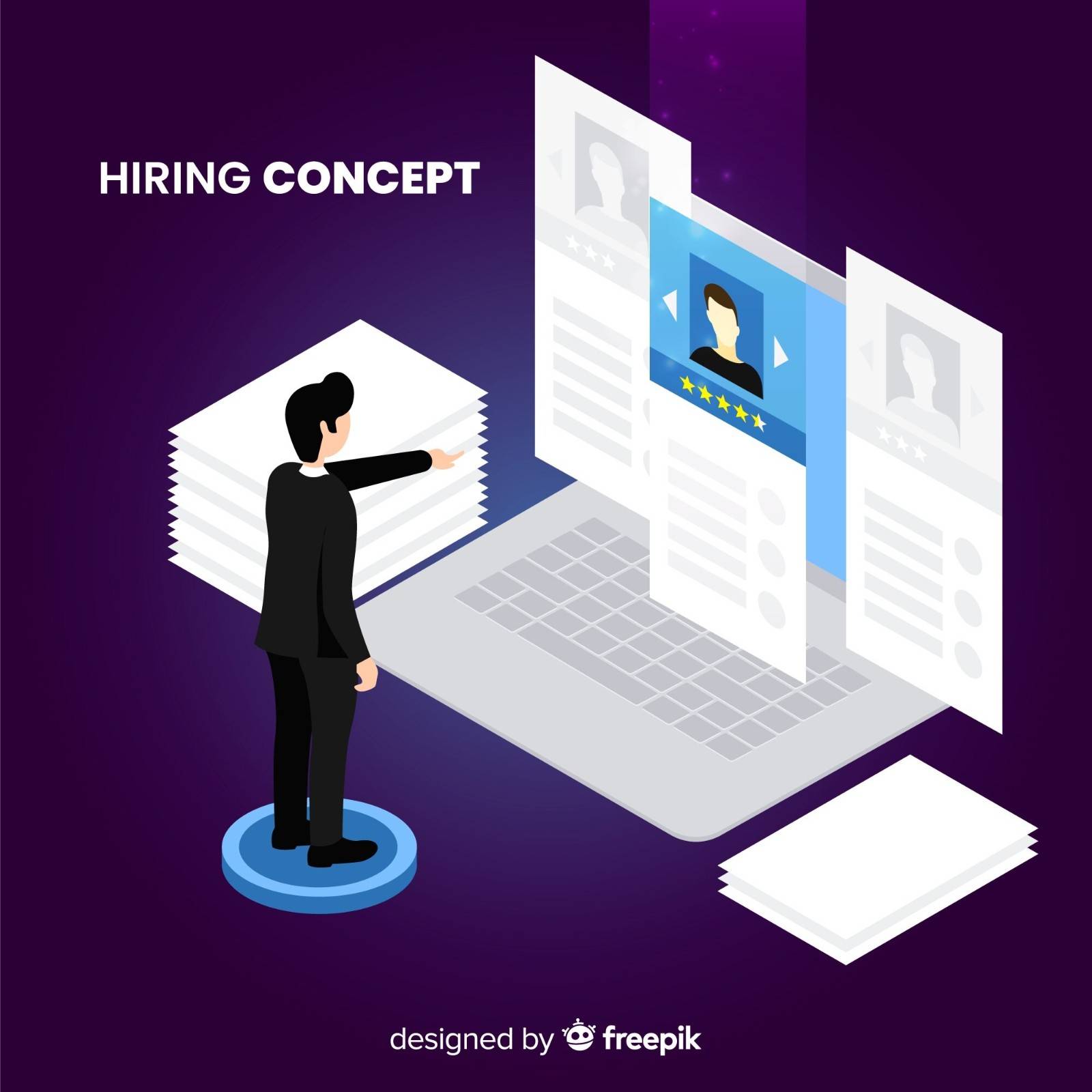
In recent years, artificial intelligence (AI) has made significant strides in various industries, and the hiring process is no exception. AI is revolutionizing the way companies identify, evaluate, and hire talent, making the recruitment process more efficient and effective. For job seekers, understanding how AI is changing the hiring landscape is crucial to staying competitive in the job market. This article explores the key ways AI is transforming hiring practices and offers essential insights for job seekers.
The Role of AI in Recruitment
1. Applicant Tracking Systems (ATS): One of the most prominent applications of AI in hiring is the use of Applicant Tracking Systems (ATS). These systems streamline the initial screening process by automatically scanning and filtering resumes based on specific keywords and criteria. By leveraging natural language processing (NLP) and machine learning algorithms, ATS can identify the most qualified candidates from a large pool of applicants. To optimize their chances of passing through ATS, job seekers should tailor their resumes to include relevant keywords and phrases mentioned in job descriptions.
2. Automated Interview Scheduling: AI-powered tools are also enhancing the efficiency of interview scheduling. Recruiters can use AI to automatically coordinate interview times, send reminders, and manage rescheduling requests. This automation reduces administrative burdens and ensures a smoother interview process for both employers and candidates. For job seekers, being responsive and flexible with interview scheduling can make a positive impression on potential employers.
3. Video Interviewing and AI Analysis: Video interviewing has become increasingly popular, especially in remote hiring scenarios. AI can analyze video interviews to assess candidates' communication skills, facial expressions, and body language. These AI-driven insights help recruiters evaluate candidates more objectively and identify potential fit for the role. Job seekers should practice their video interviewing skills, ensuring they present themselves confidently and professionally on camera.
4. Predictive Analytics: AI-driven predictive analytics can forecast a candidate's potential success within a company. By analyzing historical data, AI models can identify patterns and trends that correlate with high-performing employees. This data-driven approach helps recruiters make more informed hiring decisions and reduces the risk of bad hires. Job seekers should highlight their past achievements and relevant experiences to align with the qualities that predictive analytics may prioritize.
5. AI-Powered Assessments: AI-powered assessments are becoming a staple in the recruitment process. These assessments evaluate candidates' technical skills, cognitive abilities, and cultural fit through interactive simulations and tests. AI ensures a standardized and unbiased evaluation, providing a fair opportunity for all candidates. Job seekers should be prepared to engage in these assessments and showcase their skills effectively.
What Job Seekers Need to Know
1. Embrace Technology: Job seekers should embrace the role of technology in the hiring process. Familiarize yourself with AI-powered tools and platforms commonly used by employers. Stay updated on industry trends and technological advancements to remain competitive.
2. Optimize Your Resume for ATS: To increase the chances of passing through ATS, tailor your resume to match the job description. Use relevant keywords, highlight key skills, and ensure a clear and concise format. Avoid overly complex formatting that may confuse the system.
3. Hone Your Video Interview Skills: With the rise of video interviewing, job seekers should practice their on-camera presence. Dress professionally, maintain eye contact, and articulate your thoughts clearly. Conduct mock interviews to build confidence and address any technical issues.
4. Showcase Data-Driven Achievements: Employers value candidates who can demonstrate data-driven achievements. Highlight quantifiable results and metrics from your previous roles to showcase your impact and potential value to the company.
5. Prepare for AI-Powered Assessments: Be ready to engage in AI-powered assessments that evaluate various skills and traits. Practice relevant exercises and familiarize yourself with common assessment formats to perform well during evaluations.


